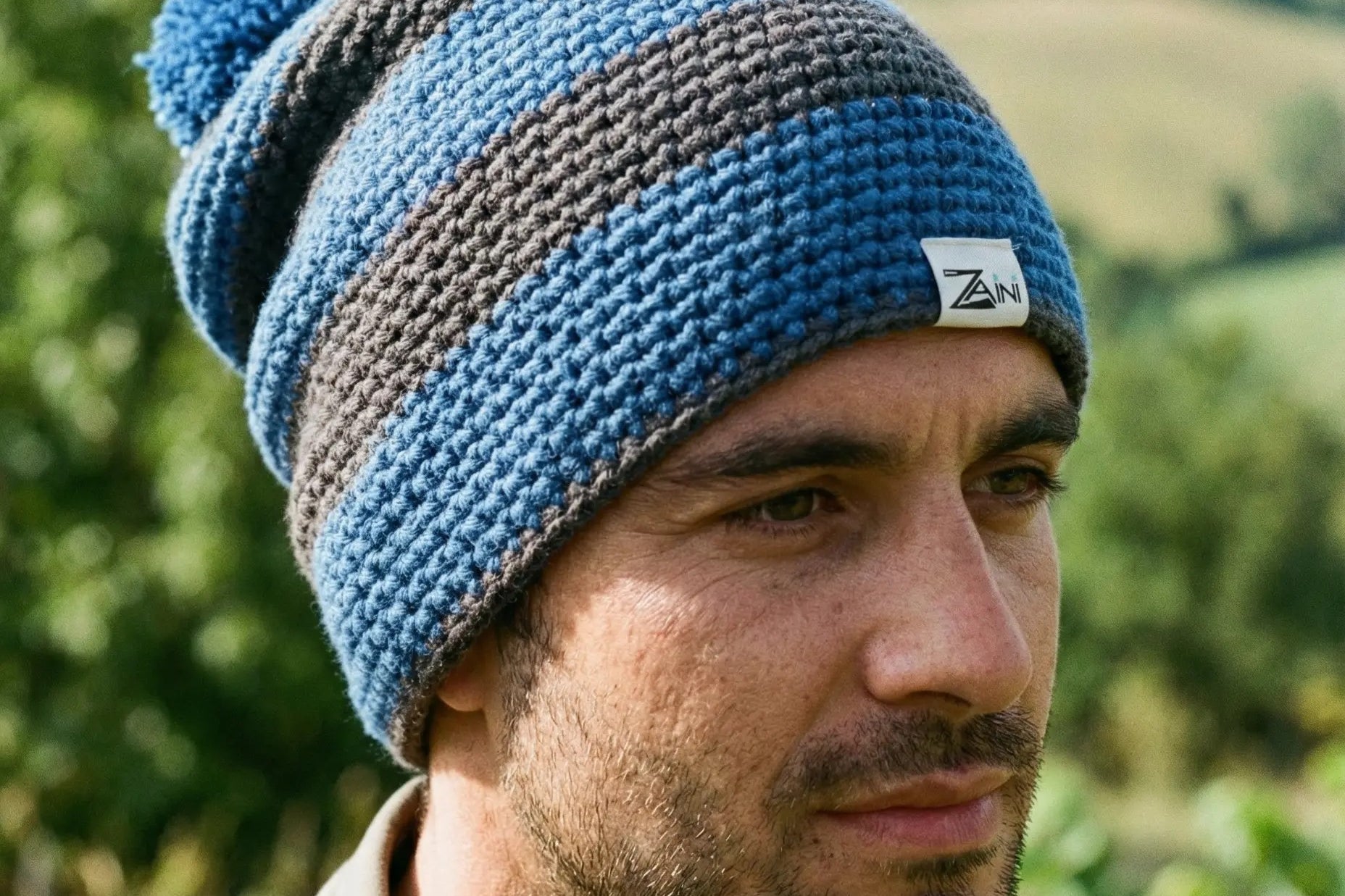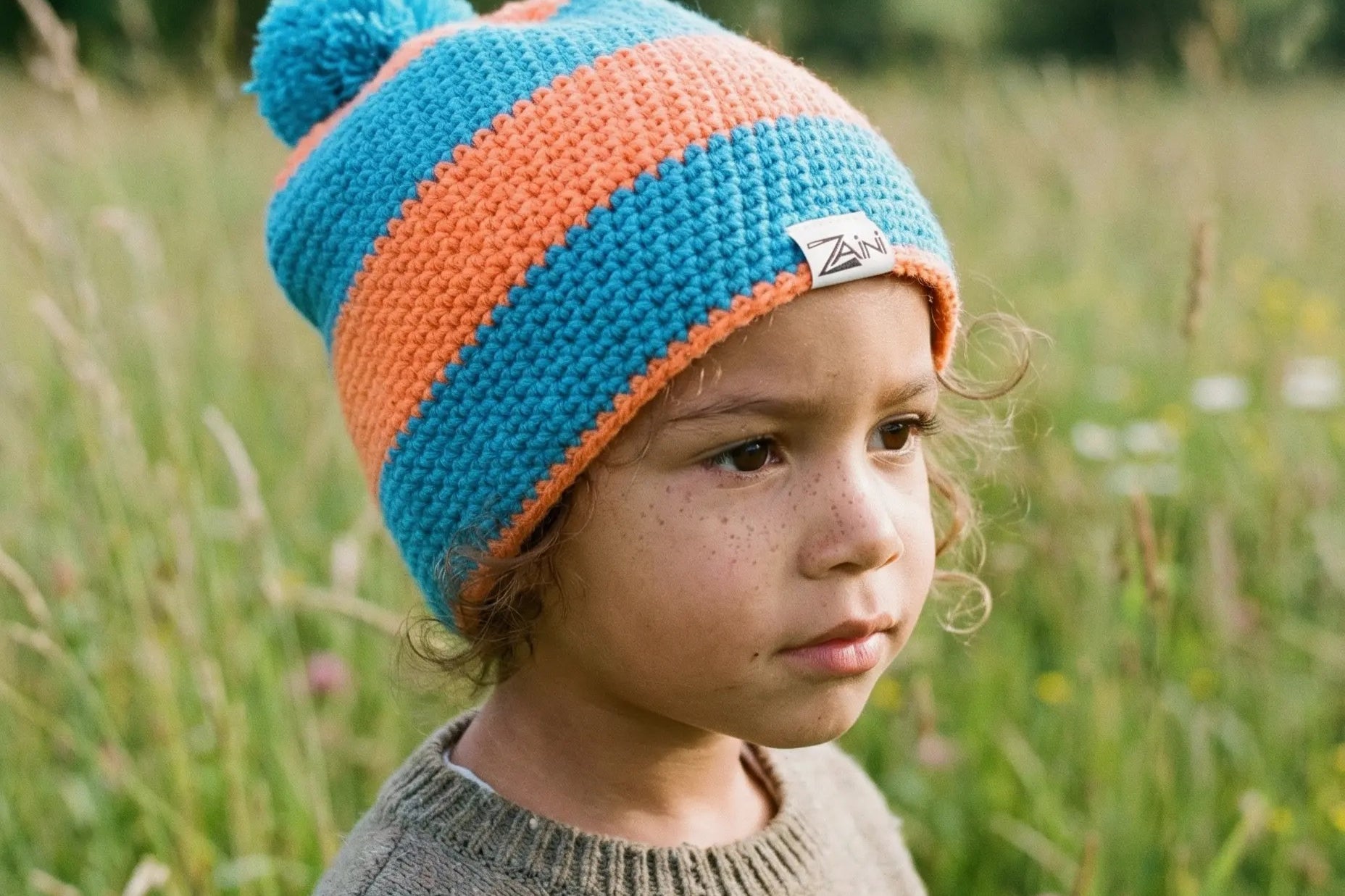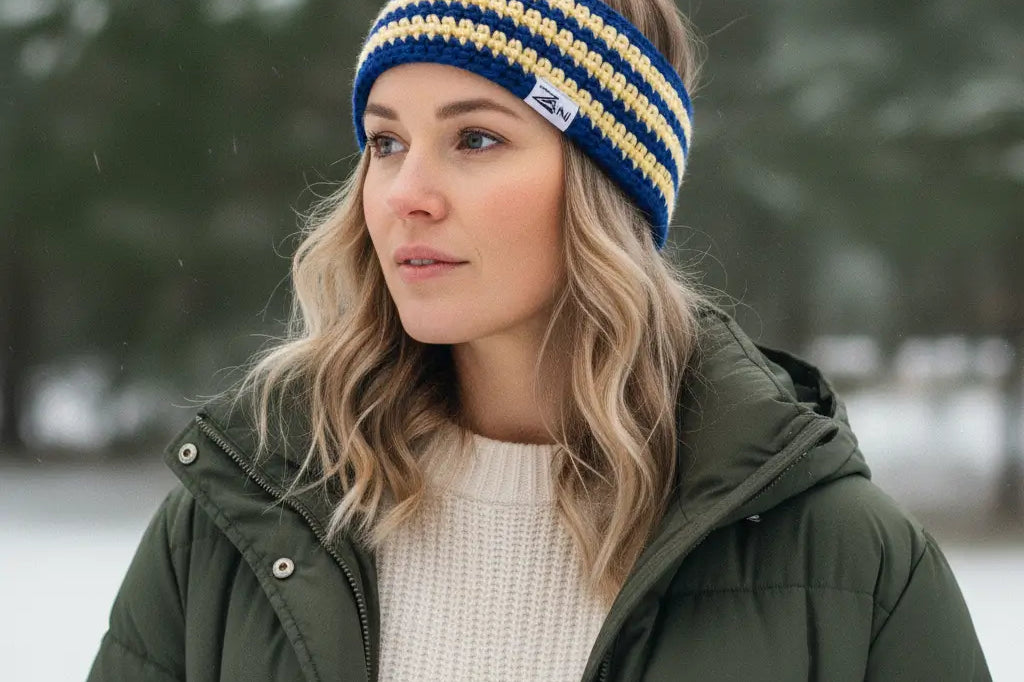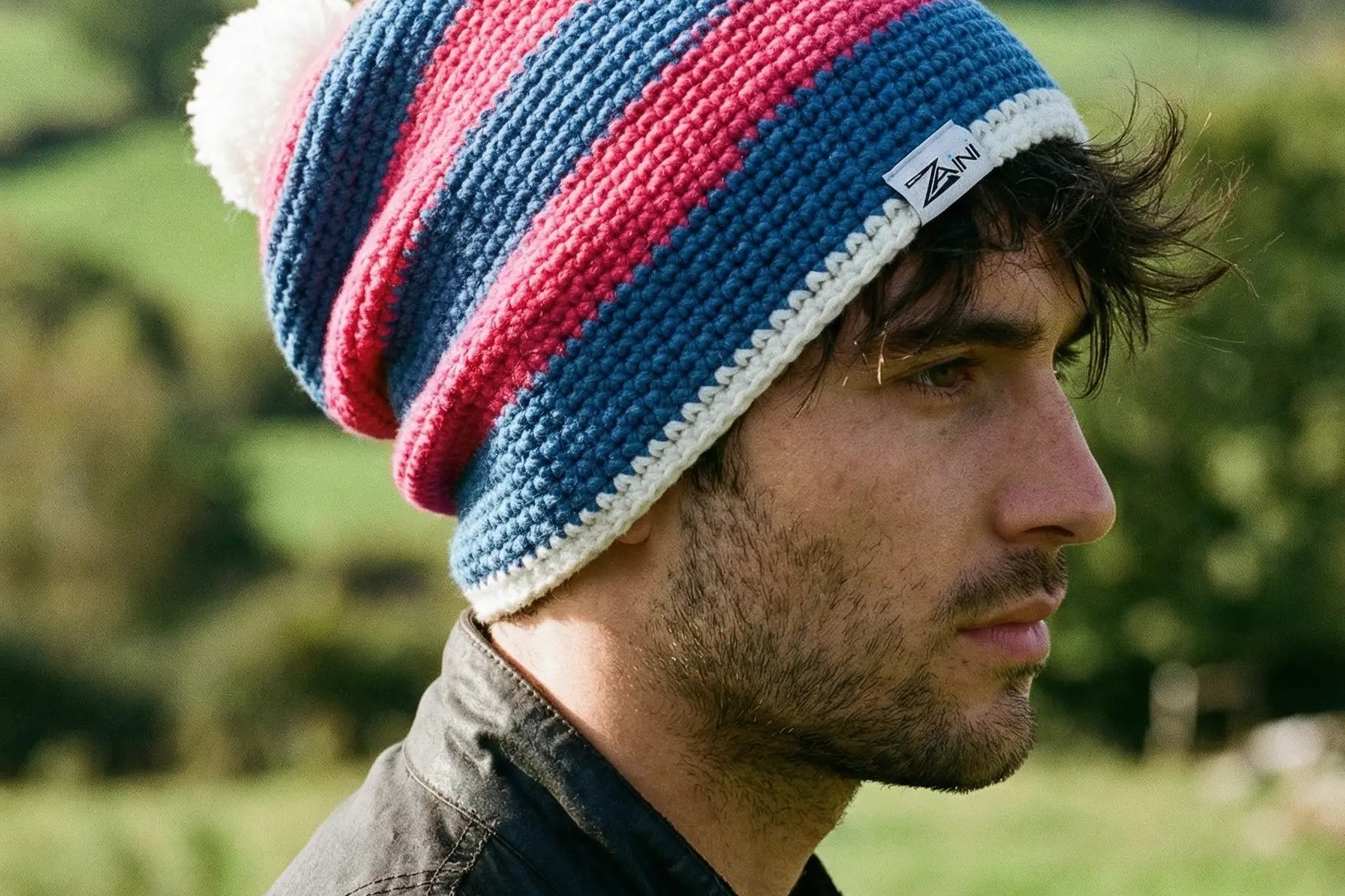

At first glance, the difference between a standard beanie and a fleece-lined one might seem small. But when you’re standing at a match, waiting at the school gates, or walking into a cold headwind, that difference becomes much more noticeable.
So, do fleece-lined beanie hats actually make a difference?
Yes, especially in colder, windier conditions and when you’re outdoors for longer periods. But like most things, it depends on how and when you wear them.
What does a fleece-lined beanie actually do?
A regular beanie works by trapping a layer of warm air close to your head. This helps reduce heat loss and keeps you comfortable in cooler weather.
A fleece-lined beanie hat adds an extra layer inside, which changes how the hat performs.
That inner fleece layer:
• traps more heat close to your skin
• reduces heat escaping through the fabric
• creates a barrier against cold air and wind
• adds a softer, smoother feel against the head
Fleece is designed to be insulating without being heavy, which is why it’s commonly used in outdoor clothing. When added inside a beanie, it boosts warmth without drastically changing the overall look or fit.
Why your head matters more than you think
You’ve probably heard the idea that most body heat is lost through the head. While that’s often overstated, your head is still one of the most exposed parts of your body in cold weather.
Unlike your torso, which is usually covered in multiple layers, your head often relies on just one piece of clothing.
That means:
• wind hits it directly
• heat escapes more easily
• ears are particularly vulnerable to cold
A fleece-lined beanie helps compensate for this by adding insulation exactly where it’s needed most.
When fleece-lined beanies make the biggest difference
1. Cold weather and low activity
If you’re not moving much, your body isn’t generating as much heat.
Think:
• watching football or rugby matches
• standing at outdoor events
• waiting for transport
• school runs on cold mornings
In these situations, a fleece-lined beanie keeps warmth locked in, helping you stay comfortable for longer.
2. Windy conditions
Wind is one of the biggest factors in how cold you feel.
A standard knit beanie can allow air to pass through, which reduces its ability to retain heat. A fleece lining helps block that airflow, creating a more stable, warm layer around your head.
This is particularly noticeable:
• on open pitches or stadiums
• walking through exposed areas
• during coastal or countryside weather
3. Longer periods outdoors
Short bursts outside are one thing. Spending hours outdoors is another.
Over time, even small heat loss adds up. A fleece-lined beanie helps maintain warmth consistently, rather than letting it slowly fade.
It also tends to feel more comfortable over longer wear, thanks to the soft inner lining.
Comfort matters just as much as warmth
Warmth isn’t the only reason people switch to fleece-lined hats.
For many, the biggest difference is actually how the hat feels.
Fleece lining:
• feels soft and smooth against the skin
• reduces irritation from rougher outer materials
• makes hats easier to wear for extended periods
If you’ve ever found traditional knit hats itchy or uncomfortable, this can be a noticeable improvement.
When fleece-lined beanies might not be the best choice
Despite the benefits, fleece-lined hats aren’t always ideal.
1. Milder weather
In autumn or early spring, a fleece-lined beanie can feel too warm, especially during the middle of the day.
In these conditions, a lighter, unlined beanie is often more comfortable and breathable.
2. High activity levels
If you’re:
• walking quickly
• hiking
• running around with kids
• doing anything active outdoors
you may find that a fleece-lined beanie traps too much heat.
This can lead to overheating, making a lighter hat the better option.
3. Indoor and outdoor transitions
If you’re moving frequently between indoors and outdoors, a fleece-lined hat can feel too warm once inside.
Unlined beanies tend to adapt better to changing environments.

Fleece-lined vs unlined beanies: which should you choose?
Rather than one being better than the other, it’s about choosing based on conditions.
Fleece-lined beanies are best for:
• winter weather
• windy conditions
• standing still outdoors
• long periods outside
Unlined beanies are better for:
• mild temperatures
• everyday wear
• active use
• transitional seasons
Having both options means you can adapt depending on the weather and what you’re doing.
A small detail that makes a big difference
It’s easy to overlook something as simple as a hat, but when you’re outdoors for long periods, small details matter.
A hat that fits well, feels comfortable, and keeps you warm can:
• improve overall comfort
• reduce distraction from cold weather
• make outdoor time more enjoyable
Fleece-lined beanie hats aren’t just a minor upgrade. In the right conditions, they can make a noticeable difference to warmth, comfort, and overall experience outdoors.
If you’re dealing with cold temperatures, wind, or long periods outside, they’re a reliable choice.
For milder weather or more active situations, a lighter beanie will usually feel more comfortable.